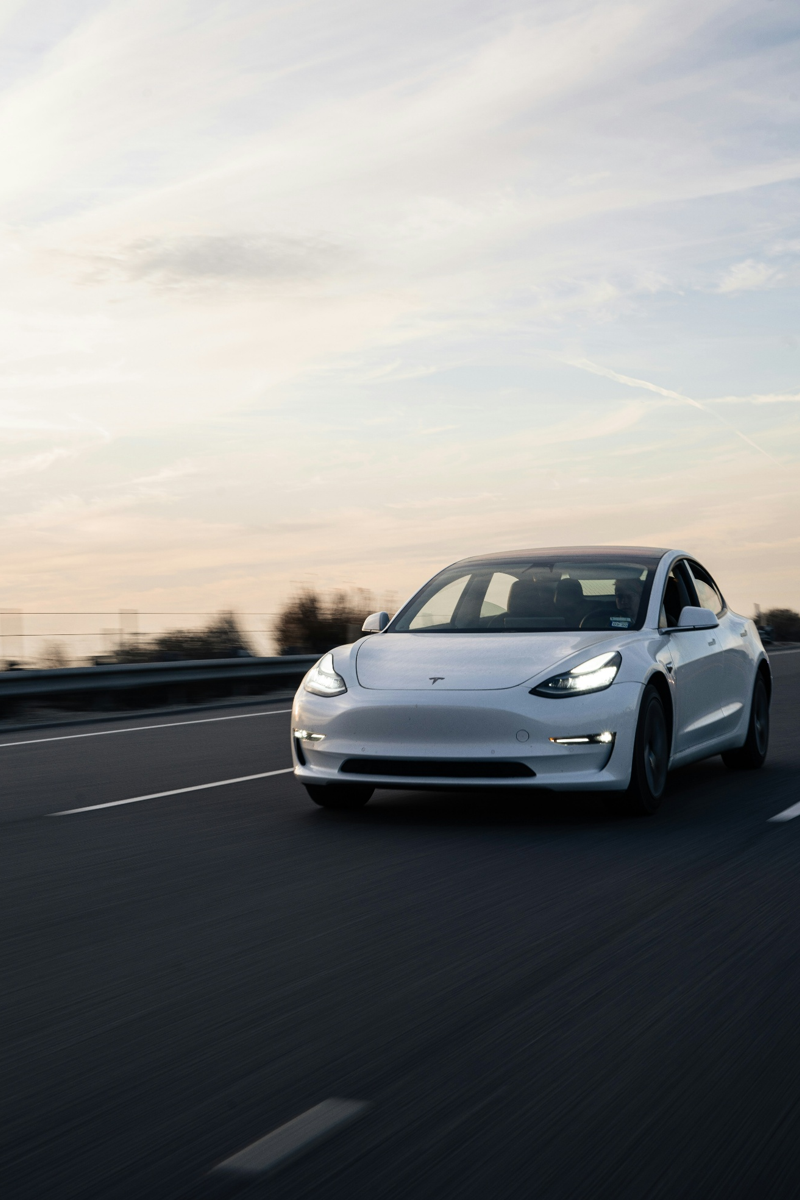
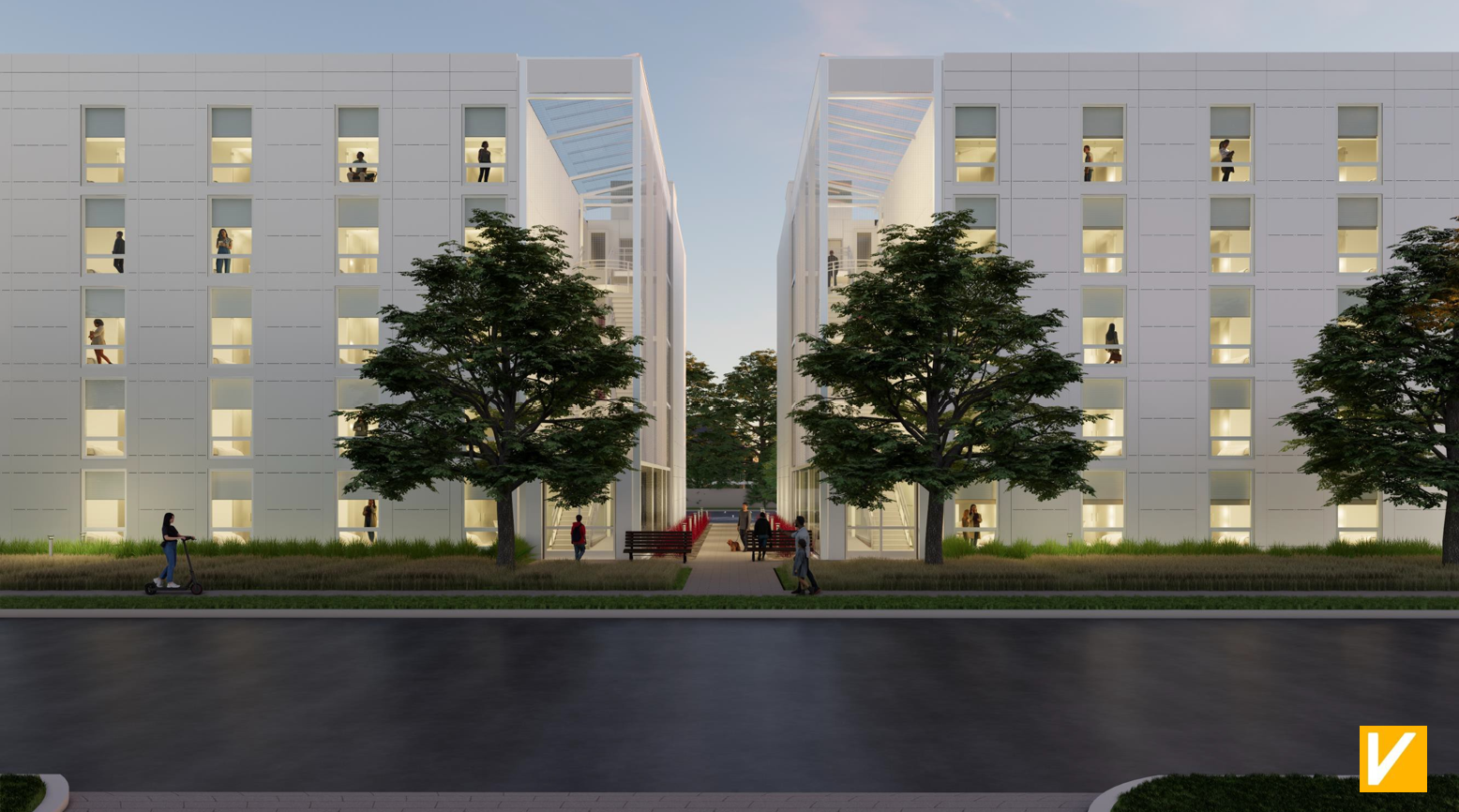
Every industry reaches a moment that calls for reinvention. In transportation, that moment gave rise to Tesla, a company that challenged the assumption that electric vehicles had to be slow, unattractive, or niche. In housing, that inflection point is happening now, and Vessel Technologies is emerging with a similarly disruptive mindset.
Fundamentally, both Tesla and Vessel share a defining ethos: rethinking entrenched systems from the ground up and proving that better outcomes don’t require tradeoffs. Tesla didn’t just build an electric car, it rebuilt the entire ecosystem around how cars are designed, manufactured, and delivered. Vessel is applying the same first-principles thinking to multifamily housing.
Traditional housing development is fragmented, slow, and risky. Design, construction, and delivery are handled by disconnected parties, leading to cost overruns, delays, and inconsistent quality. Vessel challenges this model by vertically integrating the entire process of design, manufacturing, and delivery into a single, cohesive system. Like Tesla’s Gigafactories and vertically integrated supply chain, Vessel’s approach reduces uncertainty and accelerates results.
Another shared principle is performance as proof. Tesla didn’t win skeptics by talking about sustainability alone, it won them by building vehicles that outperformed gas-powered cars on speed, safety, and technology. Vessel operates with the same philosophy. Our buildings aren’t just more sustainable or attainable; they outperform traditional developments on the metrics that matter most: time, cost, risk, and long-term impact.
Design also plays a central role in both companies’ identities. Tesla rejected the idea that environmentally responsible products had to look utilitarian. Vessel similarly believes that attainable housing should be beautiful, modern, and desirable. By productizing housing and standardizing quality, Vessel makes it possible to deliver homes that enhance residents’ lives while challenging long-standing perceptions of what attainable housing looks like.
Perhaps most importantly, both Tesla and Vessel align innovation with mission. Tesla’s success accelerated the global transition to sustainable energy by making electric vehicles aspirational and scalable. Vessel is doing something parallel for housing: giving cities and developers a faster, cleaner, smarter way to meet housing needs.
Looking ahead, Vessel Technologies represents the same kind of paradigm shift Tesla sparked over a decade ago. It’s not just about building faster or cheaper, it’s about proving that systems designed for the past can be reimagined for the future. By combining vertical integration, sustainability ,and performance-driven design, Vessel is positioning itself as a company that doesn’t just participate in the housing industry but reshapes it.

© 2025 VESSEL TECHNOLOGIES®, INC. All rights reserved. Patents pending. VESSEL, the logo, and other trademarks are the trademarks of VESSEL TECHNOLOGIES, INC. For additional information, please contact legal@myvessel.com.